
Luck as a Social Currency
The LuminariesThis thread traces how characters interpret luck as moral worth, accident, capital, or a force that must eventually turn.
increasing Bearing strength in each event
 decreasing
Bearing strength in each eventdecreasingThe Goldfields Promise Chance
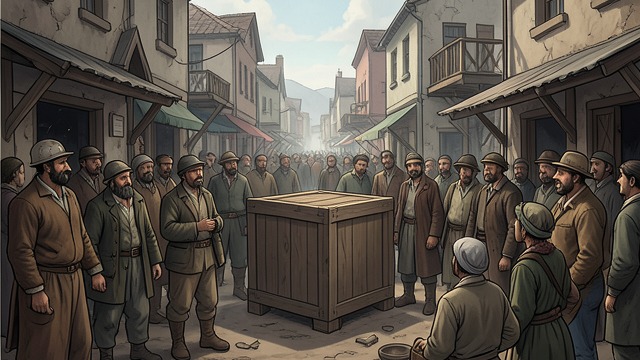
The Goldfields Promise Chance
Fortune seems available to anyone
Hokitika attracts people who believe a lucky find can erase class and history. The possibility of sudden wealth shapes daily conversation.
Risk is distributed unequally
Some men possess capital, contracts, or connections, while others have only labour. Chance does not affect every person on equal terms.
Staines Becomes a Symbol
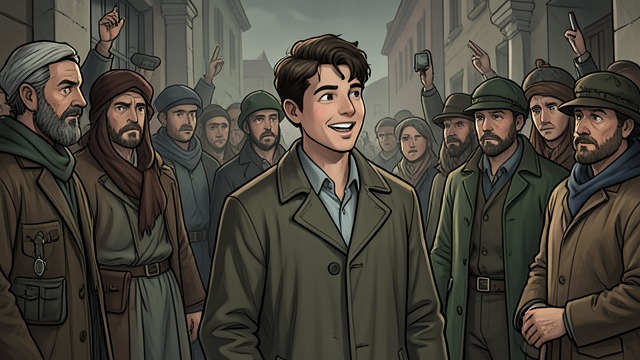
Staines Becomes a Symbol
A young man appears blessed
Staines is seen as exceptionally fortunate because of his rapid success. His good nature makes others admire him, but also resent his luck.
Others narrate his fortune
Mannering calls him lucky; Nilssen worries about envy; Moody sees him as an absent figure onto whom the men project desire.
Lydia Sells a Forecast
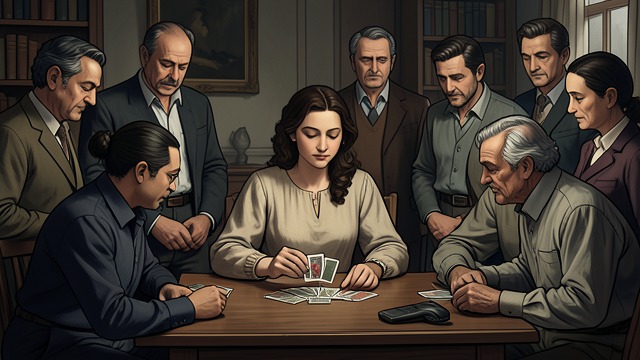
Lydia Sells a Forecast
Chance becomes a service
Lydia turns astrology and fortune-telling into a business. She argues that people pay for advice because risk makes them eager for advantage.
Prediction changes behaviour
Her claim that fortune changes in the telling of it suggests that belief itself can alter what happens. The future is neither fixed nor fully knowable.
A Lucky Man Loses His Claims
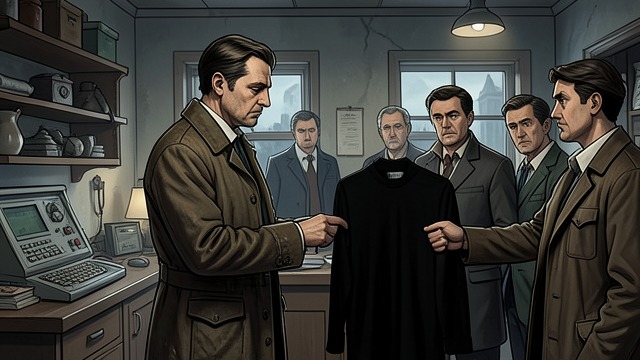
A Lucky Man Loses His Claims
Staines returns too late
His eight-week absence causes the Crown to repossess his mines. The man called Hokitika’s luckiest loses much of what he owns.
Fortune proves temporary
Staines accepts the loss more calmly than expected. His attitude unsettles those who think wealth should guarantee security or control.
A Future Remains a Choice
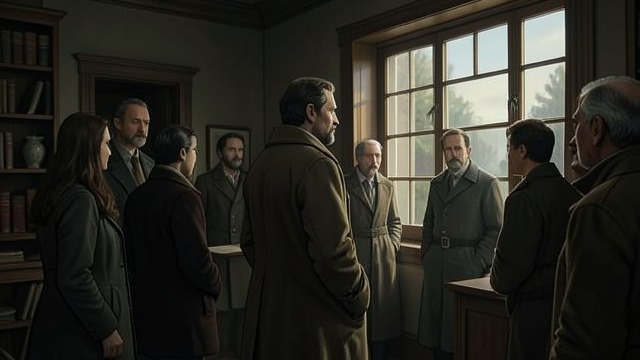
A Future Remains a Choice
Moody rejects a simple definition
Asked whether it is lucky to stay or go, Moody says the luckiest outcome is to choose. His answer marks a change in his outlook.
Chance gives way to agency
The novel does not deny accident, but it ends by valuing chosen direction. Luck matters, yet it cannot substitute for a life deliberately made.
During the Hokitika rush
January 1866
February 1866
March 1866
After the April hearings
